
 English
 Français
 日本語
 العربية
 繁体中文
 简体中文

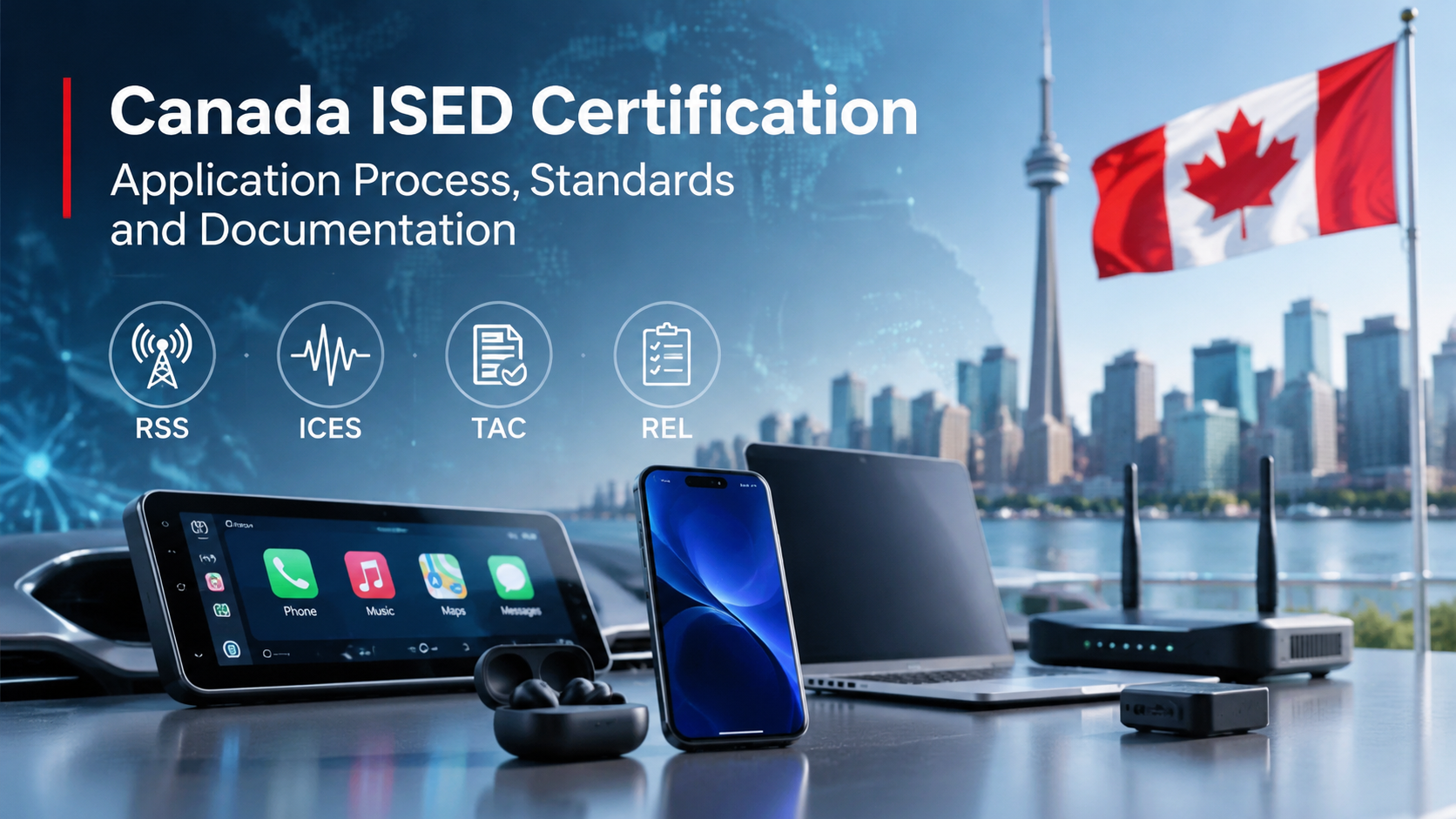
Canada ISED Certification: Application Process, Standards and Documentation
Manufacturers planning to introduce electronic and wireless products to the Canadian market need to understand the applicable requirements established by Innovation, Science and Economic Development Canada (ISED).
Previously commonly referred to as Industry Canada (IC) certification, the Canadian equipment compliance framework covers radio equipment, digital apparatus, and telecommunications terminal equipment. The applicable compliance route depends on the product type, its radio functionality, and the relevant Canadian technical standards.
This guide introduces the main product categories, applicable standards, certification procedures, and documentation commonly involved in the Canadian compliance process.
1. What Is ISED Certification?
Innovation, Science and Economic Development Canada (ISED) is the Canadian federal department responsible for managing the radio frequency spectrum and establishing technical requirements for radio equipment and other regulated electronic products.
The term "IC certification" is still widely used in the electronics industry. However, the department is now known as ISED, and manufacturers should refer to the current ISED requirements when preparing their Canadian compliance applications.
Depending on the product category, the applicable compliance requirements may include:
Radio equipment certification under the Radio Standards Specifications (RSS).
Electromagnetic emissions compliance under the Interference-Causing Equipment Standards (ICES).
Registration requirements for telecommunications terminal equipment.
These compliance routes should not be treated as interchangeable. A product may be subject to more than one applicable requirement depending on its functionality.
2. Products Subject to ISED Requirements
2.1 General Electronic Products
Examples of electronic products that may fall within the scope of Canadian interference-causing equipment requirements include:
Power supplies and electrical appliances.
Computers and computer peripherals.
Printers and keyboards.
Information technology equipment and digital apparatus.
For applicable products, manufacturers should determine the relevant ICES standard based on the equipment's intended function and technical characteristics.
2.2 Wireless Products
Radio equipment operating in Canada may be subject to ISED radio equipment certification requirements.
Common examples include:
Bluetooth-enabled products.
Wi-Fi devices and wireless network equipment.
Wireless keyboards and computer peripherals.
Wireless transmitters and receivers.
Two-way radios and wireless microphones.
Remote controls and other low-power radio devices.
Wireless video transmission equipment.
Mobile phones and other cellular devices.
The applicable RSS requirements depend on the radio technology, operating frequency, and equipment category.
3. Main Canadian Standards and Requirements
ISED publishes different technical standards for radio equipment and interference-causing equipment.
3.1 ICES-001 – Industrial, Scientific and Medical Equipment
ICES-001 establishes radio-frequency emission limits, measurement methods, and administrative requirements for equipment that generates or uses RF energy for industrial, scientific, medical, domestic, or similar purposes.
Examples include:
Industrial, scientific and medical (ISM) equipment.
Induction cooking appliances.
Ultrasonic humidifiers.
The applicable scope and exclusions should be reviewed against the current edition of ICES-001.
3.2 ICES-003 – Information Technology Equipment
ICES-003 applies to Information Technology Equipment (ITE), including digital apparatus.
It establishes limits and measurement methods for radio-frequency emissions, together with relevant administrative requirements.
Examples include:
Computers.
Printers.
Computer peripherals.
Other applicable digital apparatus.
3.3 RSS Series – Radio Equipment
The Radio Standards Specifications (RSS) establish technical requirements for different categories of radio equipment.
The applicable RSS depends on the product's radio technology and operating frequency.
For example:
RSS-210: Licence-exempt radio apparatus operating in the applicable frequency bands and categories covered by the standard.
Other RSS standards: Specific standards apply to different radio services, frequency bands, and radio technologies.
Manufacturers should not select an RSS based solely on a product's commercial name. The actual radio functions and technical characteristics must be assessed first.
3.4 Other Applicable Requirements
Depending on the product, additional requirements may apply, including:
RSS-Gen – General Requirements for Compliance of Radio Apparatus.
RSS-102 – Radio Frequency (RF) Exposure Compliance of Radiocommunication Apparatus.
Other applicable RSS standards covering the product's radio technologies.
Additional ICES standards where the equipment falls within their scope.
A product incorporating multiple radio technologies may need to demonstrate compliance with several applicable standards.
4. ISED Certification Application Process
For radio equipment requiring Category I certification, the process generally involves the following stages.
Step 1: Submit the Application and Product Documentation
The applicant provides the relevant application forms, product specifications, technical documents, and other supporting information.
The applicable certification route and standards should be identified before testing begins.
Step 2: Conduct Compliance Testing
The product is evaluated against the applicable ISED technical requirements.
Testing should be performed by a laboratory recognized by ISED for the relevant scope when recognition is required.
Step 3: Technical Review and Corrective Actions
If the product does not meet the applicable requirements, the manufacturer may need to investigate the non-compliance, implement corrective actions, and arrange additional testing.
Once the required compliance assessment is satisfactory, the test documentation can be submitted for certification review.
Step 4: Certification and Equipment Listing
For Category I radio equipment, an ISED-recognized Certification Body (CB) or ISED's Certification and Engineering Bureau (CEB) issues the Technical Acceptance Certificate (TAC).
The certified equipment must also be listed in ISED's Radio Equipment List (REL), in accordance with the applicable requirements.
The product must meet the relevant labelling requirements before being placed on the Canadian market.
Note: Not all electronic products follow this certification process. Category II radio equipment and telecommunications terminal equipment have different compliance procedures.
5. Documents Commonly Required for an ISED Application
The documentation required depends on the product category, applicable standards, and certification route.
For a typical radio equipment certification application, the following documents may be required:
| No. | Document | Description |
|---|---|---|
| 1 | Application Form | Completed certification application documents |
| 2 | Product Specifications | Technical specifications and product characteristics |
| 3 | User Manual | Product operating instructions |
| 4 | Circuit Schematics | Electrical circuit diagrams |
| 5 | Block Diagram | Functional block diagram of the equipment |
| 6 | Bill of Materials (BOM) | Component list, where applicable |
| 7 | PCB Layout | Printed circuit board layout and relevant component placement information |
| 8 | Authorization Letter | Authorization documentation, where applicable |
| 9 | Confidentiality Request | Request for confidential treatment of eligible technical information |
| 10 | Canadian Representative Information | Canadian representative details and applicable signed documentation |
| 11 | RF Exposure Information | Relevant RF exposure assessment documents, including applicable SAR information |
| 12 | Test Documentation | Applicable test reports, measurement procedures, and supporting technical information |
Additional documents may be requested depending on the equipment configuration and applicable ISED procedures.
For example, radio equipment certification submissions may also require external and internal photographs, label information, operational descriptions, and specific technical declarations.
6. What Should Manufacturers Consider Before Applying?
Before starting an ISED compliance project, manufacturers should review several important points:
Identify the product category: Determine whether the product is radio equipment, digital apparatus, or telecommunications terminal equipment.
Confirm the applicable standards: Identify the relevant RSS and ICES requirements according to the product's functions.
Review radio technologies: Products incorporating Bluetooth, Wi-Fi, cellular, or other wireless functions may have multiple applicable technical requirements.
Prepare complete documentation: Ensure that the technical information accurately reflects the product configuration to be tested.
Check laboratory and certification body recognition: Confirm that the relevant laboratory and Certification Body have the required ISED recognition and scope.
Review Canadian representative requirements: Applicants located outside Canada should arrange an eligible Canadian representative where required.
Verify labelling and listing requirements: Confirm the applicable certification number, product identification, and REL listing requirements before market placement.
Preparing these items early can help reduce documentation gaps and avoid unnecessary delays during the compliance process.
7. How Blue Asia Supports Your Canadian Market Access
Entering the Canadian market requires a clear understanding of the applicable testing, certification, and technical documentation requirements.
Blue Asia provides electronic product testing and global market access support for manufacturers seeking to enter international markets.
Our service areas include EMC testing, wireless and RF testing, and international certification support for electronic products.
Whether you are developing a new wireless device, upgrading an existing product, or preparing electronic equipment for the Canadian market, our team can help you identify relevant compliance requirements and coordinate the necessary testing and certification processes.
Planning to launch your product in Canada?
Contact Blue Asia to discuss your testing and certification requirements.
Email:[email protected]
 Blog
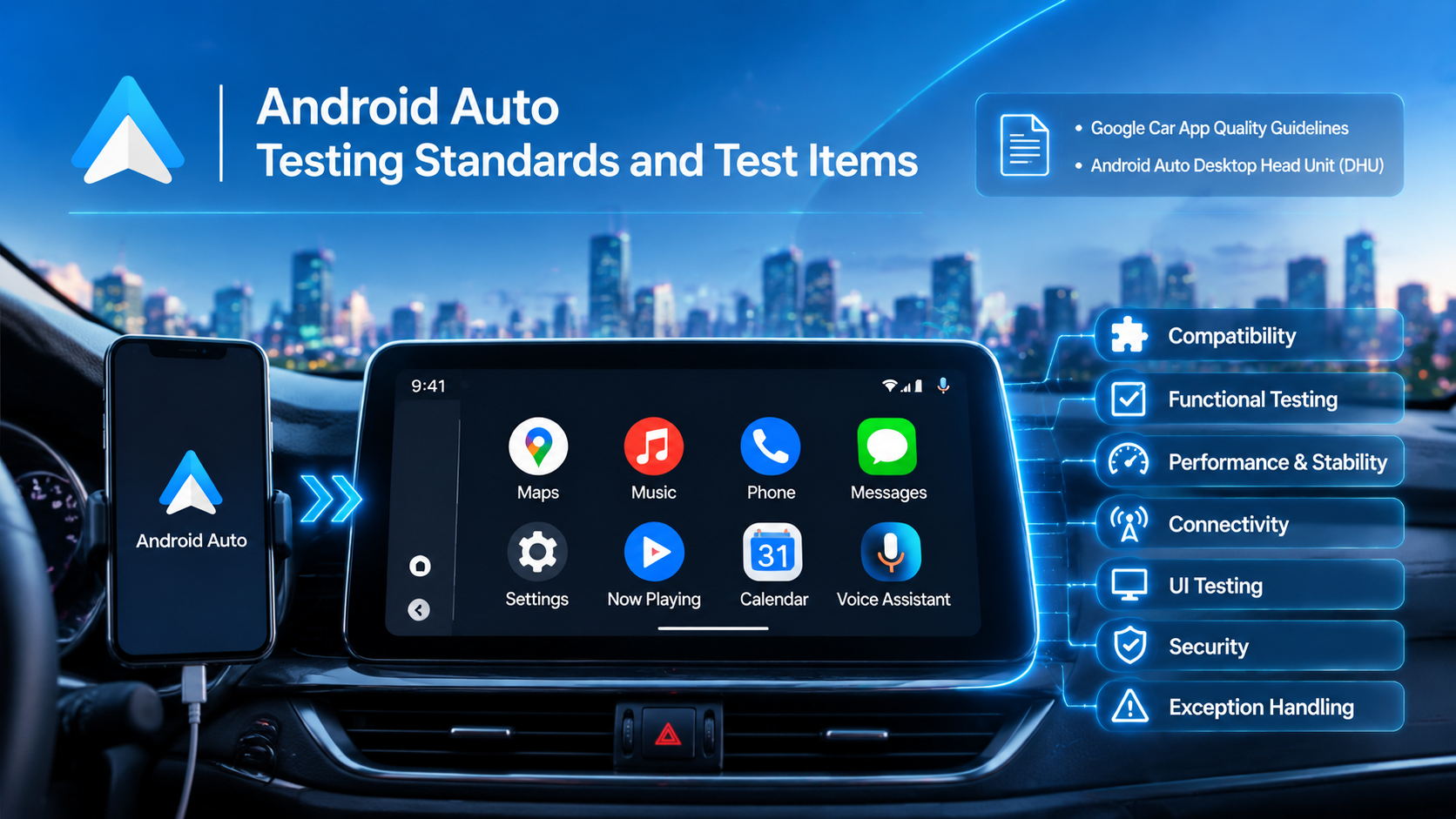
Android Auto Testing Standards and Test Items
Leer artículo
 Blog
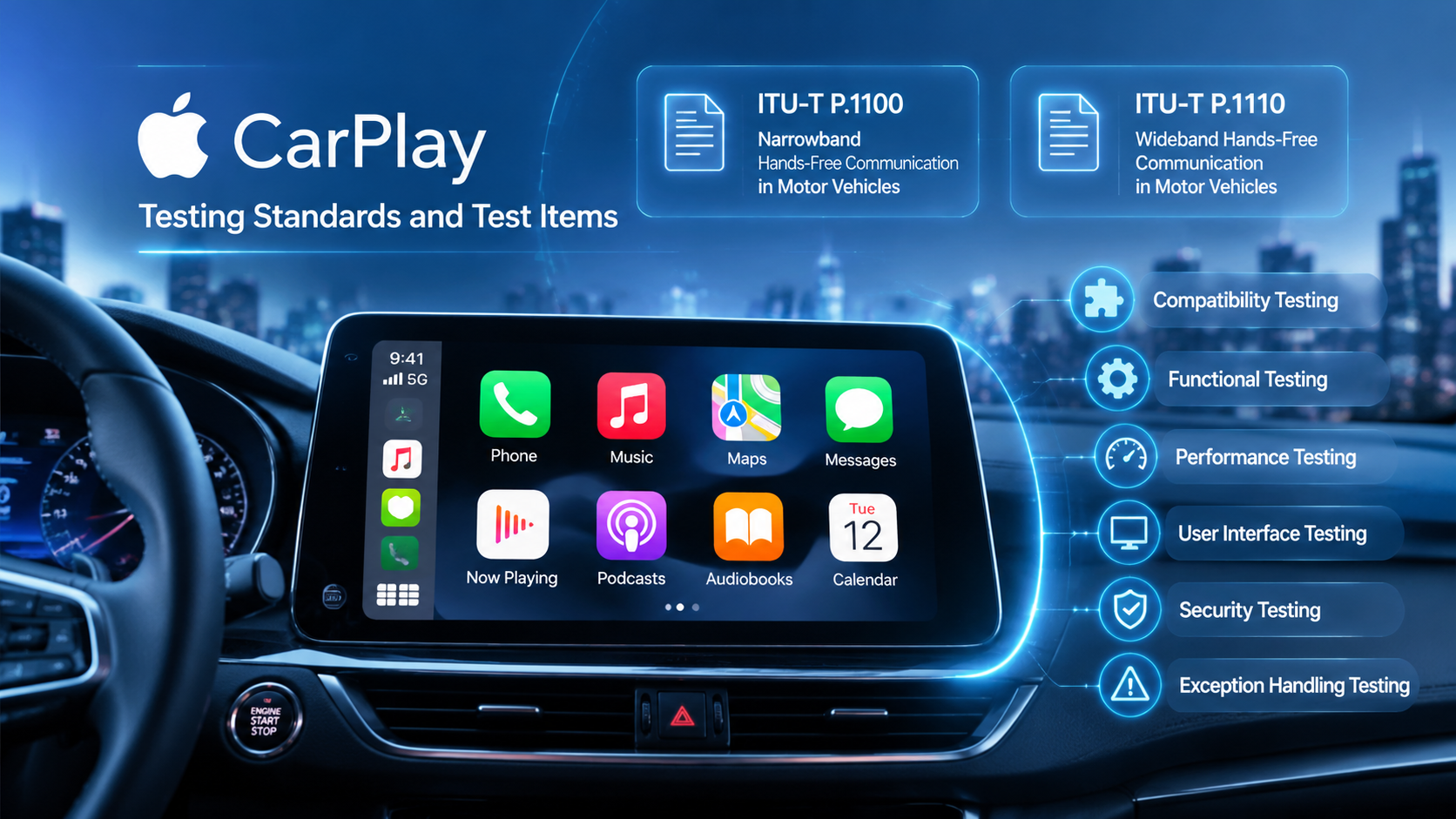
CarPlay Testing Standards and Test Items
Leer artículo
 Blog
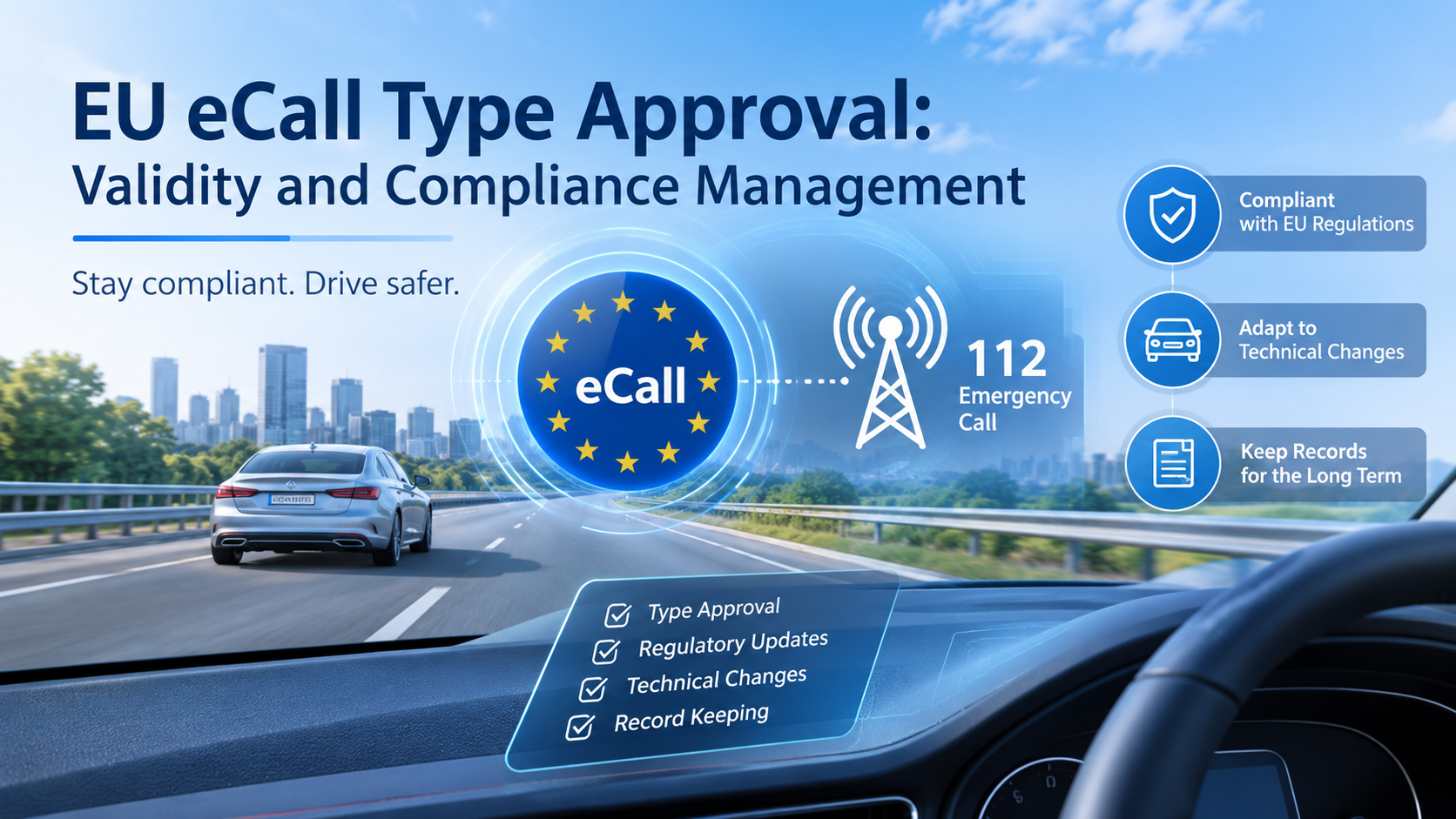
EU eCall Type Approval: How Long Is It Valid, and When Does It Need to Be Updated?
Leer artículo
 Blog
What Is VCCI Compliance in Japan? Product Scope and Application Process
Leer artículo
 Blog
Canada ISED Certification: Application Process, Standards and Documentation
Leer artículo
 Blog
Does the 2026 DAB+ Standard Update Mean You Need to Retest Your Products?
Leer artículo

 4000259520